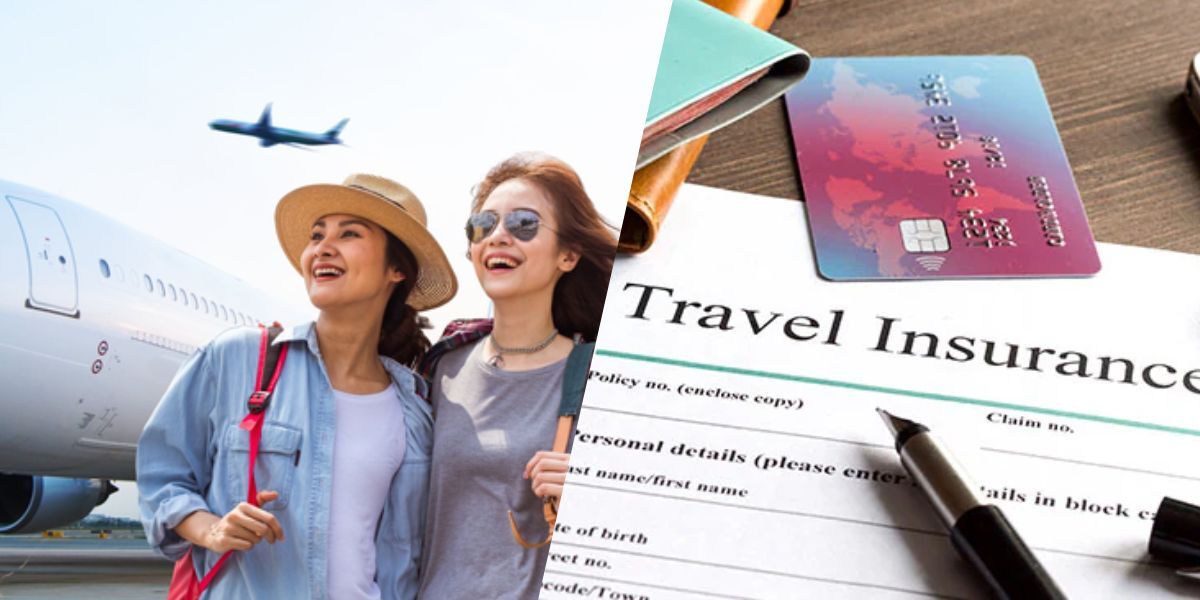

When you travel for work, the last thing you want is an unexpected problem that disrupts your entire trip. A cancelled flight, lost luggage, or medical emergency can turn a simple business trip into a costly nightmare. This is where travel insurance becomes your safety net, protecting both you and your company from financial losses and travel headaches.
- Why Working Professionals Need Travel Insurance
- Medical Coverage: Your Most Important Protection
- Trip Cancellation and Interruption Coverage
- Baggage and Personal Belongings Protection
- Travel Delay and Missed Connection Coverage
- What Most Policies Do Not Cover
- Choosing the Right Coverage Level
- Where to Buy Travel Insurance
- Making a Claim When Things Go Wrong
- Frequently Asked Questions
- Planning Your Next Business Trip With Confidence
Many working professionals assume their company covers everything or that their credit card insurance is enough. The truth is quite different. Understanding what travel insurance really covers and what you actually need can save you thousands of dollars and countless hours of stress when things go wrong during your business travels.
Why Working Professionals Need Travel Insurance
Business travel is different from vacation travel. You have meetings to attend, clients to meet, and deadlines to keep. Missing a flight means missing an important presentation. Getting sick abroad means your company loses productivity. Your laptop getting stolen means sensitive company data might be compromised.
Travel insurance for business trips protects you against these real risks. It helps you get to your destination on time, keeps you safe when medical issues arise, and ensures your valuable work equipment stays protected. When you understand what coverage you really need, you can travel with confidence knowing you are prepared for any situation.

Medical Coverage: Your Most Important Protection
Medical coverage is the foundation of any good travel insurance policy. If you get sick or injured during a business trip, regular health insurance might not cover you abroad. Hospital bills in foreign countries can be extremely expensive, sometimes costing tens of thousands of dollars for serious emergencies.
Your travel insurance medical coverage should include at least one hundred thousand dollars in emergency medical expenses. This covers doctor visits, hospital stays, surgeries, and medications you might need while traveling. For business travelers who frequently visit countries with high medical costs like the United States, Switzerland, or Japan, consider policies with even higher limits.

Emergency medical evacuation is equally critical. If you get seriously ill or injured in a remote location or a country with limited medical facilities, evacuation coverage pays to transport you to the nearest adequate medical facility or back home. These evacuations can cost over one hundred thousand dollars, making this coverage essential for anyone traveling to developing countries or remote areas.
Trip Cancellation and Interruption Coverage
Imagine booking flights and hotels for an important business conference months in advance, only to have a family emergency force you to cancel. Without trip cancellation coverage, you lose all that money. This coverage reimburses you for non-refundable travel expenses when you need to cancel your trip for covered reasons.
Common covered reasons include sudden illness or injury, death of a family member, severe weather that makes travel impossible, or unexpected work obligations. Some policies also cover trip cancellation if your company suddenly goes out of business or if you get laid off before your scheduled trip.
Trip interruption coverage works similarly but kicks in after your trip has already started. If you need to return home early because of a family emergency or if your trip gets cut short due to a natural disaster at your destination, this coverage reimburses your unused travel expenses and the cost of getting home early.

For business travelers, this protection ensures you do not lose money on expensive international flights, hotel bookings, or conference registrations when unforeseen circumstances force you to change your plans.
Baggage and Personal Belongings Protection
Your luggage contains more than just clothes when you travel for business. You carry laptops, tablets, important documents, presentation materials, and sometimes expensive equipment needed for your work. Baggage coverage protects these items if they get lost, stolen, or damaged during your trip.
Standard baggage coverage typically ranges from one thousand to three thousand dollars per person. However, business travelers should carefully review the coverage limits for individual items. Most policies cap coverage for electronics at around five hundred dollars per item, which might not fully cover your expensive laptop or camera equipment.
If you regularly travel with high-value business equipment, consider purchasing additional coverage specifically for these items. Some policies offer special riders that increase limits for electronics, or you can get separate business equipment insurance that travels with you.
Delayed baggage coverage is another valuable benefit. When the airline loses your luggage, you still need clothes and toiletries for your business meetings. This coverage reimburses you for essential items you purchase while waiting for your delayed bags to arrive.
Travel Delay and Missed Connection Coverage
Flight delays happen more often than anyone likes to admit. When your flight gets significantly delayed, you might miss connecting flights, important meetings, or entire events you traveled to attend. Travel delay coverage helps manage these frustrating situations.
This coverage typically reimburses you for meals, accommodation, and other necessary expenses when your trip gets delayed for a specific number of hours, usually six to twelve hours. Some policies also cover the cost of rebooking flights or alternative transportation to help you reach your destination faster.
Missed connection coverage is particularly valuable for business travelers with tight schedules. If your first flight arrives late and causes you to miss your connecting flight, this coverage pays for the additional expenses of rebooking and any accommodation you need while waiting for the next available flight.
What Most Policies Do Not Cover
Understanding what travel insurance does not cover is just as important as knowing what it does cover. Most standard policies exclude coverage for pre-existing medical conditions unless you purchase coverage within a specific time window after booking your trip, usually within two weeks.
Many policies also exclude coverage for high-risk activities. If your business trip includes adventure activities like skiing, scuba diving, or mountain climbing, verify that your policy covers these activities or purchase additional coverage.
Political unrest, civil unrest, and travel to countries under travel warnings typically fall outside standard coverage. If you frequently travel to high-risk areas for work, look for specialized policies that include these situations.
Losses due to your own negligence, such as leaving your laptop unattended in a public place, usually are not covered. Acts of war, nuclear events, and intentional self-harm also fall outside standard coverage.
Choosing the Right Coverage Level
The right amount of travel insurance depends on several factors including your destination, trip duration, total trip cost, and the value of items you carry. A weekend domestic business trip requires less coverage than a month-long international assignment.
For short domestic trips within your home country, you might need minimal coverage focusing mainly on trip cancellation and baggage protection. Your regular health insurance likely covers you domestically, reducing the need for extensive medical coverage.
International business trips require more comprehensive coverage. Medical expenses abroad can be astronomical, making high medical coverage limits essential. Countries with expensive healthcare systems need higher coverage amounts than countries where medical care costs less.
Frequent business travelers should consider annual multi-trip policies instead of purchasing separate insurance for each trip. These policies cover all your trips within a year, offering better value and convenience when you travel multiple times annually.
Where to Buy Travel Insurance
You can purchase travel insurance from several sources, each with advantages and disadvantages. Travel insurance companies specialize in these policies and typically offer the most comprehensive coverage options. Companies like Allianz, World Nomads, and Travel Guard provide various policy levels for different travel needs.
Many credit cards include automatic travel insurance when you use the card to purchase your trip. While convenient, these policies often have significant limitations and lower coverage amounts than standalone policies. Review your credit card benefits carefully to understand exactly what is covered and what is not.
Your employer might provide corporate travel insurance as part of your benefits package. Check with your human resources department to understand what coverage your company provides and whether you need to purchase additional insurance to fill any gaps.
Airlines and booking websites often offer travel insurance during the checkout process. While convenient, these policies are frequently more expensive and offer less coverage than policies purchased directly from insurance companies.
Making a Claim When Things Go Wrong
Knowing how to file a claim properly ensures you actually receive the coverage you paid for. Always document everything when problems occur during your trip. Take photos of damaged luggage, keep receipts for all expenses, and obtain written statements from airlines or hotels confirming delays or cancellations.
Contact your insurance provider as soon as possible when something goes wrong. Many policies require you to notify them within a specific timeframe, and waiting too long might result in claim denial. Most companies have twenty-four-hour emergency assistance lines specifically for travelers dealing with urgent situations.
Keep copies of all documentation including your policy number, emergency contact numbers, and claim forms. Store these documents both physically and digitally so you can access them even if your luggage gets lost.
Submit your claim with complete documentation including receipts, medical records, police reports for theft, and any other relevant paperwork. Incomplete claims take longer to process and might get denied, so provide everything the insurance company requests the first time.
Frequently Asked Questions
How much does travel insurance typically cost for business trips?
Travel insurance usually costs between four and ten percent of your total trip cost. A business trip costing two thousand dollars might have insurance costing between eighty and two hundred dollars, depending on coverage levels and your age. Comprehensive policies with high medical coverage cost more than basic trip cancellation policies.
Can I purchase travel insurance after booking my trip?
Yes, you can buy travel insurance any time before your trip starts. However, purchasing within fourteen days of making your first trip payment often provides additional benefits like coverage for pre-existing medical conditions and broader trip cancellation reasons.
Does my regular health insurance cover me abroad?
Most domestic health insurance plans provide limited or no coverage outside your home country. Medicare typically does not cover international medical expenses. Always verify your health insurance coverage before traveling abroad and purchase supplemental travel medical insurance if needed.
What happens if I need to cancel my trip at the last minute?
If you cancel for a covered reason listed in your policy, such as sudden illness or a family emergency, trip cancellation coverage reimburses your non-refundable expenses. Canceling for non-covered reasons like simply changing your mind typically results in no reimbursement.
Is travel insurance worth it for short business trips?
Even short trips can encounter problems like flight cancellations, medical emergencies, or lost luggage. For inexpensive domestic trips, you might skip insurance. For international trips or expensive domestic travel involving non-refundable expenses, insurance provides valuable protection regardless of trip length.
Are there exclusions I should know about before buying?
Yes, common exclusions include pre-existing medical conditions, high-risk activities not specifically covered, travel against government warnings, losses from negligence, and acts of war. Always read your policy documents carefully to understand what is not covered.
Planning Your Next Business Trip With Confidence
Understanding travel insurance helps you make smart decisions that protect both your finances and your peace of mind during business trips. The right coverage ensures you can handle unexpected situations quickly without derailing your entire trip or costing your company unnecessary money.
Remember that the cheapest insurance is not always the best choice. Focus on finding coverage that matches your specific travel patterns and risk factors. A comprehensive policy might cost slightly more upfront but saves you significantly when you actually need to use it.
Looking for more ways to make your business travel smoother and more efficient? Visit Corporate Travel Adventures for expert guides, practical tips, and insider strategies that help working professionals travel smarter. From packing efficiently to navigating airports quickly, we provide the resources you need to master business travel.
Ready to protect your next business trip? Start comparing travel insurance policies today and travel with the confidence that comes from knowing you are properly covered. Your future self will thank you when unexpected problems arise and your insurance makes everything simple to resolve.