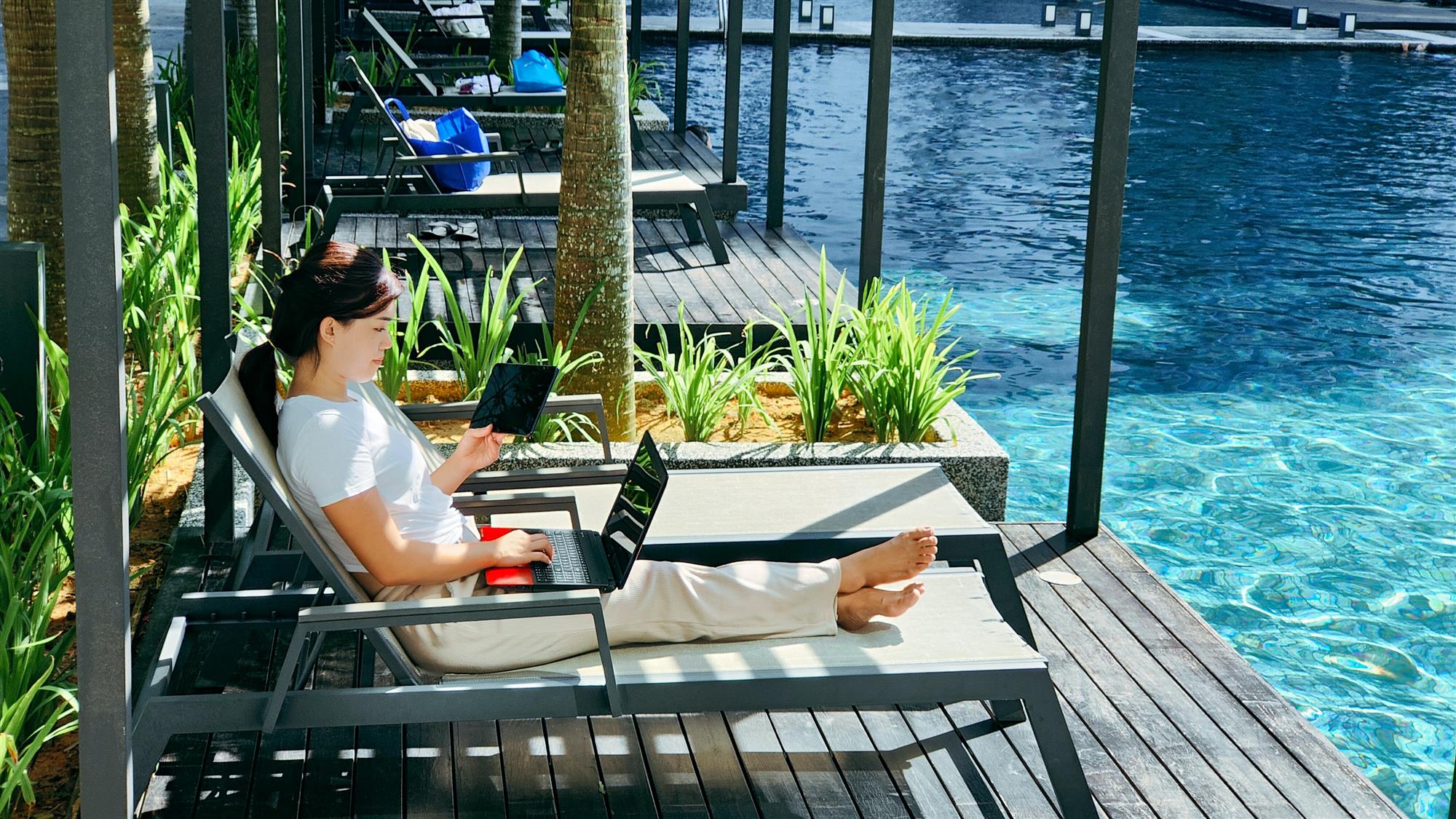

The way we think about business travel is changing fast. Gone are the days when employees would rush from one meeting to another, spend a night in a hotel, and immediately fly back home. Today, working professionals are mixing business trips with personal time, creating what we call bleisure travel. This trend is reshaping how companies plan travel budgets and how employees experience work trips.
- Understanding Bleisure Travel in Simple Terms
- Key Bleisure Travel Trends Expected in 2026
- What This Means for Working Professionals
- What Companies Should Prepare For
- Making Bleisure Travel Work Safely
- Practical Tips for Your Next Bleisure Trip
- The Future Beyond 2026
- Taking Action on These Bleisure Trends
- Frequently Asked Questions About Bleisure Travel
- Conclusion
If you work in an office and travel for business, understanding these upcoming trends can help you make the most of your trips. Whether you are planning your company’s travel policy or getting ready for your next work trip, knowing what to expect in 2026 will help you travel smarter and enjoy better experiences.
Understanding Bleisure Travel in Simple Terms
Bleisure travel is a simple idea with a fancy name. It means adding vacation days to your business trip. Instead of flying home right after your last meeting, you might stay for the weekend to explore the city. Or you could bring your family along and spend time with them after work hours.
This concept has grown massively in recent years. More and more working professionals realize they can see new places without using their vacation days or spending extra money on flights. Companies are also seeing benefits because happier employees who feel refreshed often work better and stay with the company longer.

The numbers tell an interesting story. Many travel experts report that over sixty percent of business travelers now add personal time to their work trips when possible. This shows that bleisure travel is not just a passing trend but a fundamental shift in how we approach business travel.
Key Bleisure Travel Trends Expected in 2026
More Companies Will Create Official Bleisure Policies
Right now, many companies allow bleisure travel informally, but they do not have clear written rules about it. This often creates confusion. Employees wonder if they can extend their trip, who pays for what, and whether they need special approval.

In 2026, we expect more companies to write official policies that clearly explain how bleisure travel works. These policies will tell employees exactly what they can and cannot do. They will explain which costs the company covers and which expenses employees must pay themselves. This clarity will make everyone feel more comfortable about mixing business with pleasure.
Smart companies will use these policies to attract better talent. When job seekers compare different companies, generous travel policies that support work-life balance can make a real difference. Young professionals especially value the freedom to explore new cities while traveling for work.
Technology Will Make Bleisure Booking Much Easier
Booking a bleisure trip can feel complicated today. You need to separate business expenses from personal expenses, find hotels that work for both work meetings and leisure time, and keep track of different receipts. Many employees find this process stressful and time-consuming.
New travel booking platforms coming in 2026 will solve these problems. These smart systems will automatically separate business costs from personal costs. They will suggest hotels in great locations that offer good prices for extended stays. Some platforms will even recommend local attractions and restaurants based on your interests.

These technological improvements mean you can focus on enjoying your trip instead of worrying about paperwork. The systems will handle the boring administrative tasks while you explore new places and recharge your batteries.
Remote Work Will Blend with Business Travel
The rise of remote work has created interesting possibilities for bleisure travel. Many employees now work from home several days per week. This flexibility changes how we think about business trips.
In 2026, more professionals will extend their business trips by working remotely from their destination. Imagine flying to San Francisco for a two-day conference. Instead of flying home immediately, you could stay for another week, working from your hotel or a local cafe during the day and exploring the city in the evenings and on the weekend.
This approach gives you the best of both worlds. You meet your work responsibilities while experiencing a new city. You save the company money on additional flights while gaining valuable personal experiences. Some people call this trend “workation,” and it perfectly captures the blend of productivity and relaxation.
Sustainable Travel Choices Will Become Standard
Environmental concerns are no longer optional for companies. More businesses want to reduce their carbon footprint, and travel represents a significant part of their environmental impact. Bleisure travel can actually help with sustainability goals.
When employees extend business trips for personal time, they take fewer total trips throughout the year. One longer trip creates less environmental impact than several short trips. Companies in 2026 will recognize this benefit and encourage sustainable bleisure practices.
We will also see more professionals choosing eco-friendly hotels, using public transportation during their extended stays, and selecting destinations they can reach by train instead of plane when possible. These choices help the environment while often providing richer, more authentic travel experiences.
Families Will Join Business Travelers More Often
Business travel can strain family relationships. Parents miss important moments with their children, and spouses spend time apart. Bleisure travel offers a solution to this challenge.
More families will travel together during business trips in 2026. The working professional attends meetings during the day while family members explore the destination. Everyone reunites in the evenings and enjoys the weekend together. This arrangement strengthens family bonds while fulfilling work obligations.
Hotels are already adapting to this trend by offering family-friendly amenities and special packages for bleisure travelers. Airlines are creating policies that make it easier to add family members to business trips at reasonable costs. These changes show that the travel industry recognizes and supports this growing trend.
What This Means for Working Professionals
These trends create real opportunities for you to improve your work travel experience. First, you can turn stressful business trips into enjoyable adventures. Instead of viewing travel as a burden, you can see it as a chance to explore new places and create memories.
Second, you gain better work-life balance without using extra vacation days. Your personal time becomes more valuable when you can combine it with necessary business travel. This efficiency means you waste less time traveling and spend more time either working productively or truly relaxing.
Third, you build stronger professional networks while enjoying personal experiences. Meeting colleagues and clients in relaxed settings after formal meetings often creates deeper connections than conference room discussions alone. These relationships can advance your career while making work more enjoyable.
For those interested in maximizing their business travel experience, exploring resources on corporate travel adventures can provide valuable insights and practical tips.
What Companies Should Prepare For
Companies need to adapt their approach to support these bleisure travel trends effectively. Creating clear policies represents the first critical step. Employees need to understand exactly what the company allows and what it expects from them. Good policies prevent confusion and ensure everyone follows the same rules.
Companies should also invest in better booking tools that handle bleisure travel smoothly. The right technology makes it easy for employees to add personal days to business trips while keeping expenses properly separated. This investment pays off through reduced administrative work and happier employees.
Training managers to support bleisure travel is equally important. Some managers worry that employees will focus on vacation instead of work during bleisure trips. Companies need to address these concerns and help managers understand how bleisure travel can actually improve employee performance and retention.
Budget planning must account for bleisure trends. While individual trips might last longer, total travel costs often decrease when employees take fewer separate trips. Companies should analyze their travel spending patterns and adjust budgets accordingly.
Making Bleisure Travel Work Safely
Safety remains a top priority during any business travel, and bleisure trips require extra attention to safety concerns. Working professionals need to understand their insurance coverage during extended stays. Company insurance might only cover the business portion of the trip, leaving personal days unprotected.
Clear communication with managers and colleagues prevents misunderstandings. Everyone should know when you are working and when you are on personal time. This transparency ensures people can reach you for urgent work matters while respecting your personal time.
Health and safety considerations matter more during longer trips. Research your destination’s healthcare facilities, keep emergency contact information handy, and understand what medical coverage you have during personal travel days. These preparations help you stay safe while enjoying your extended trip.
Practical Tips for Your Next Bleisure Trip
Planning makes the difference between a stressful bleisure trip and a wonderful experience. Start by checking your company’s travel policy and getting necessary approvals before booking anything. This step prevents problems and ensures you follow all rules correctly.
Choose accommodations that work well for both business and leisure purposes. Look for hotels or rentals with good work spaces for video calls but also comfortable areas to relax. Location matters too. Find places close to your meeting venues but also near attractions you want to visit during personal time.
Pack strategically for both aspects of your trip. Bring professional clothes for meetings but also comfortable casual wear for exploring. Consider shipping some items to your destination if you need many different outfits. This approach lets you pack lighter while still having everything you need.
Schedule your work time carefully during the business portion of your trip. Complete all work responsibilities thoroughly before switching to leisure mode. This discipline ensures you deliver excellent work results while also fully enjoying your personal time guilt-free.
The Future Beyond 2026
Looking further ahead, bleisure travel will likely become the standard approach rather than a special perk. Companies that resist this trend might struggle to attract and keep talented employees. The most successful organizations will embrace bleisure travel as part of their overall employee wellness strategy.
Technology will continue improving the bleisure experience. We might see virtual reality tools that help you plan leisure activities during business trips. Artificial intelligence could suggest perfect bleisure destinations based on your work schedule and personal interests. These innovations will make mixing business and pleasure even easier.
The line between work and personal life will continue blurring in positive ways. Rather than strict separation, we will see more integration that respects both professional responsibilities and personal needs. Bleisure travel represents this broader shift toward more flexible and human-centered work arrangements.
Taking Action on These Bleisure Trends
Understanding these trends is valuable, but taking action matters more. If you work for a company, talk to your manager or human resources department about creating or improving bleisure travel policies. Share this information and explain how these trends could benefit both employees and the organization.
If you plan business trips yourself, start thinking about opportunities to extend them. Look at your upcoming travel schedule and identify trips where adding personal days makes sense. Research your destinations and make plans that excite you. This proactive approach helps you gain maximum value from necessary business travel.
Companies should survey their employees to understand their interest in bleisure travel. This feedback helps create policies that actually meet employee needs rather than guessing what people want. Regular surveys also help track how attitudes toward bleisure travel change over time.
Ready to transform your business travel experience? Visit Corporate Travel Adventures for more expert advice, destination guides, and practical strategies that help working professionals travel smarter. Our resources help you navigate the changing world of business travel while making every trip more enjoyable and productive.
Frequently Asked Questions About Bleisure Travel
What exactly counts as bleisure travel?
Bleisure travel means adding personal vacation time before, during, or after a business trip. This could include staying extra days in a city after your meetings end, bringing family members who explore while you work, or taking a weekend to sightsee in your business destination. The key element is combining required work travel with personal leisure activities in a single trip.
Do I need special permission from my company for bleisure travel?
This depends entirely on your company’s policies. Some organizations encourage bleisure travel and have simple approval processes. Others require detailed requests and manager approval. Always check your company’s travel policy and speak with your manager before making any bleisure plans. Getting approval first prevents problems with expense reports and ensures everyone understands your schedule.
Who pays for the extra days during a bleisure trip?
Generally, you pay for all personal expenses during bleisure travel. The company covers business-related costs like flights to and from the destination, hotel during work days, and meals during business activities. Personal days, extra hotel nights, leisure activities, and personal meals are your responsibility. Some companies offer small allowances or discounts, but expect to cover most personal costs yourself.
Can bleisure travel actually save money?
Yes, bleisure travel often saves money for both employees and companies. You save on flights because the company pays to get you to the destination. You might also get better hotel rates for longer stays. Companies save money when employees take fewer total trips throughout the year. Instead of separate business and vacation trips, one bleisure trip accomplishes both goals more efficiently.
How do I keep work and personal time separate during bleisure trips?
Clear boundaries help maintain this separation. Set specific work hours during business days and stick to them. Turn off work notifications during personal time unless you have urgent responsibilities. Communicate your schedule clearly to colleagues so they know when you are available. Use separate credit cards or payment methods for business and personal expenses to simplify expense tracking. These practices help you fully focus on work when needed and completely relax during personal time.
What happens if I get sick during the personal portion of my bleisure trip?
Your company’s travel insurance typically only covers the business portion of your trip. Personal travel days might not be covered under corporate policies. Consider purchasing additional travel insurance for the personal days of your bleisure trip. This insurance can cover medical emergencies, trip cancellations, and other unexpected problems. Always keep your company’s emergency contact information and your health insurance details easily accessible during the entire trip.
Are bleisure trips suitable for everyone?
Bleisure travel works well for many people but not everyone. It suits professionals who can clearly separate work and personal time, enjoy exploring new places, and feel comfortable managing both aspects of the trip. Some people prefer keeping business and vacation completely separate, which is perfectly fine. Consider your work style, personal preferences, and family situation when deciding if bleisure travel makes sense for you.
How far in advance should I plan a bleisure trip?
Start planning as soon as you know about your business travel dates. Early planning gives you better hotel options, cheaper rates, and more time to research activities. Book flights and hotels for the business portion through your company’s system first. Then arrange personal accommodations and activities separately. Allow at least two to three weeks for proper planning, though more time is better for popular destinations or peak travel seasons.
Conclusion
Bleisure travel trends are transforming how working professionals experience business trips. The changes coming in 2026 will make it easier, safer, and more enjoyable to combine work responsibilities with personal exploration. Companies that embrace these trends will attract better talent and improve employee satisfaction. Professionals who take advantage of bleisure opportunities will find their work travel becomes less stressful and more rewarding.
The key to successful bleisure travel lies in proper planning, clear communication, and understanding both company policies and personal preferences. As these trends continue evolving, staying informed helps you make smart decisions that benefit your career and your personal life. Start preparing now for the bleisure opportunities ahead, and turn your next business trip into an adventure worth remembering.