

Bleisure travel has become one of the biggest trends in corporate travel over the past few years. The idea is simple yet powerful: combine your business trip with some personal leisure time. But here’s the challenge that many working professionals face: how do you stay productive during work hours while also making the most of your free time without burning out?
- Understanding What Bleisure Travel Really Means
- Planning Your Bleisure Trip for Maximum Balance
- Setting Clear Boundaries Between Work and Play
- Maximizing Productivity During Work Hours
- Making the Most of Your Leisure Time
- Managing Energy and Avoiding Burnout
- Using Technology Wisely
- Communicating Effectively with Colleagues and Managers
- Extending Business Trips Strategically
- Staying Safe and Healthy During Bleisure Travel
- Financial Considerations for Bleisure Trips
- Learning from Each Bleisure Experience
- Frequently Asked Questions
- Start Planning Your Perfect Bleisure Trip Today
This guide will help you understand exactly how to strike the perfect balance between getting your work done and enjoying the destination you’re visiting. Whether you’re traveling for a conference, client meeting, or remote work opportunity, you’ll learn practical strategies that make your bleisure trip both successful and enjoyable.
Understanding What Bleisure Travel Really Means
Bleisure travel is when you add leisure days to your business trip. Instead of flying in for a meeting and immediately heading back home, you extend your stay by a few days to explore the city, relax, or spend quality time away from your usual routine. Some professionals add days before their work commitments, while others prefer staying after their meetings are done.
The beauty of bleisure travel is that it helps working professionals make better use of their time on the road. When your company is already paying for your flight to a new city, adding a few personal days becomes much more affordable than planning a separate vacation. You save money on airfare and get to experience destinations you might never visit otherwise.

Many companies now support bleisure arrangements because they understand that happier, more refreshed employees perform better. When you return to work after a bleisure trip, you often feel more energized than you would after a standard business trip filled with back-to-back meetings and airport sprints.
Planning Your Bleisure Trip for Maximum Balance
The secret to successful bleisure travel starts long before you pack your bags. Good planning makes the difference between a stressful trip where you feel guilty about either working or relaxing, and a smooth experience where both aspects complement each other perfectly.

Start by checking your company’s travel policy about extending business trips. Most organizations allow you to add personal days as long as you cover the extra accommodation costs and any change fees. Some employers even encourage bleisure travel as part of their employee wellness programs. Once you know the rules, you can plan without worrying about policy violations.
When booking your trip, think carefully about timing. If your business commitments are at the beginning of the week, consider staying through the weekend to explore. This way, you complete your work obligations first and can fully relax afterward without the pressure of upcoming meetings hanging over you. The mental shift from work mode to leisure mode becomes much easier when your professional duties are already handled.
Choose accommodation that works for both purposes. A hotel with a good business center and reliable wifi helps you stay productive during work hours. But also look for places with comfortable common areas, nearby restaurants, or easy access to local attractions for your leisure time. Location matters tremendously because you don’t want to waste your free time sitting in traffic or taking long commutes to interesting places.
Setting Clear Boundaries Between Work and Play
One of the biggest mistakes business travelers make during bleisure trips is letting work and leisure blend together in confusing ways. You might find yourself checking emails at a museum or skipping important meetings because you got too relaxed. Neither approach serves you well.
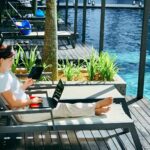
Create a clear schedule that separates your work commitments from your personal time. During business hours or meeting days, treat the trip exactly like you would any other work obligation. Show up prepared, stay focused, and give your professional responsibilities the attention they deserve. This isn’t the time to sneak out early or deliver half-effort presentations.
When your work day ends, truly disconnect. Close your laptop, silence work notifications if possible, and shift into leisure mode. You’ve earned this time by handling your business commitments professionally. Constantly checking work emails during dinner or sightseeing prevents you from actually enjoying the experience and defeats the purpose of extending your stay.
Physical boundaries help reinforce mental ones. If you’re working from your hotel room, designate a specific area as your workspace. When you’re done working, put away your laptop and work materials. This simple action signals to your brain that work time is over and personal time has begun.
Maximizing Productivity During Work Hours
Your bleisure trip only works if you handle your professional obligations excellently. The leisure component is a reward for staying productive, not a distraction from it. Here’s how to ensure your work performance stays strong even when you’re in an exciting new location.
Wake up at a consistent time, even on leisure days. Your body performs best with regular sleep patterns, and maintaining your routine helps you stay sharp during meetings and presentations. Jet lag can be a real challenge when traveling across time zones, so give yourself enough adjustment time before important work commitments begin.
Prepare everything you need for work the night before. Layout your clothes, charge all devices, organize documents, and review your schedule. This preparation reduces morning stress and helps you start work days focused rather than scrambled. When you know everything is ready, you can also enjoy your evening leisure time without nagging worries about tomorrow’s presentations.
Use your peak energy hours for your most important work tasks. Most people feel sharpest in the morning, so schedule crucial meetings or complex work during those hours. Save easier tasks like answering routine emails for times when your energy naturally dips. This strategy helps you accomplish more in less time, freeing up more hours for leisure activities.
Take advantage of downtime productively. If you have a gap between meetings, use it to respond to urgent messages, review documents, or prepare for upcoming calls. These small pockets of focused work prevent tasks from piling up and stealing time from your leisure plans.
Making the Most of Your Leisure Time
Now comes the fun part: actually enjoying your destination. Many business travelers feel guilty about taking leisure time, but remember that this personal component makes you a better employee by preventing burnout and boosting your overall happiness.
Research your destination before the trip. Spend time looking up local attractions, restaurants, cultural experiences, and activities that interest you. Having a loose plan prevents you from wasting precious leisure hours deciding what to do. You don’t need a minute-by-minute itinerary, but knowing your top priorities helps you make quick decisions.
Prioritize experiences over trying to see everything. It’s better to fully enjoy two or three meaningful activities than to rush through ten attractions while feeling stressed. Quality beats quantity every time when it comes to memorable travel experiences. Choose things that genuinely interest you rather than just checking off famous tourist spots because you feel obligated.
Connect with local culture in authentic ways. Try local restaurants instead of international chains, visit neighborhood markets, or take a walking tour led by residents. These experiences give you real insight into the place you’re visiting and create much richer memories than generic tourist activities.
Don’t forget to simply relax sometimes. Leisure doesn’t always mean packed schedules and constant activity. Sitting at a café watching the world go by, reading a book in a park, or just sleeping in after a busy work week are all valuable uses of your personal time. Rest is productive in its own important way.
Managing Energy and Avoiding Burnout
Bleisure trips involve more activity than typical business trips, which means energy management becomes crucial. You need enough stamina to perform well during work hours and still have energy left for enjoying your leisure time.
Listen to your body’s signals. If you feel exhausted after a long day of meetings, it’s okay to skip the evening tourist activity and rest instead. Pushing yourself too hard creates stress and reduces enjoyment of both the work and leisure aspects of your trip. Sometimes the best decision is choosing recovery over activity.
Stay hydrated and eat properly throughout your trip. Travel often disrupts normal eating patterns, and business events might involve rich foods and alcohol. Balance these indulgences with nutritious meals, plenty of water, and healthy snacks. Your body and mind perform better when properly fueled, making both work and leisure more enjoyable.
Build in transition time between work and leisure activities. Don’t schedule a museum visit immediately after finishing a demanding presentation. Give yourself an hour to decompress, change clothes, and shift mentally from work mode to relaxation mode. These transitions make each part of your day more effective.
Using Technology Wisely
Technology can either enhance or ruin your bleisure balance depending on how you use it. Smart technology habits help you stay productive during work hours and fully present during leisure time.
Use productivity apps to manage your work tasks efficiently. Tools for scheduling, note-taking, and project management help you accomplish work faster, freeing up more leisure time. When you work efficiently, you can finish sooner and enjoy more personal activities without guilt.
Set up separate notification profiles for work and personal time. Most smartphones let you customize which notifications come through based on time or location. During work hours, allow business apps to notify you. During leisure time, silence work notifications except for genuine emergencies. This separation helps you stay focused on whatever you’re currently doing.
Download offline maps and travel guides before your trip. Having resources available without internet access saves time and frustration during leisure activities. You can explore confidently without constantly searching for wifi or using expensive roaming data.
Take photos and videos to capture memories, but don’t let documentation replace experience. It’s easy to spend an entire museum visit looking through your phone camera instead of actually seeing the art. Find a balance where you capture key moments without missing the actual experience.
Communicating Effectively with Colleagues and Managers
Clear communication prevents misunderstandings about your availability during bleisure trips. Your colleagues and managers need to understand when you’re working and when you’re on personal time.
Inform your team about your schedule in advance. Let them know which days you’re available for meetings and which days you’ve taken as personal time. Setting these expectations early prevents last-minute requests that could interfere with your leisure plans.
Be responsive during designated work hours. When you’ve committed to being available, actually be available. Answer messages promptly, join calls on time, and maintain your usual work standards. This reliability builds trust and makes it easier to take personal time without guilt.
Set an out-of-office message for your leisure days. Make it clear that you’re not working and provide an alternative contact for urgent matters. Most work issues can wait, and having someone else as a backup ensures nothing critical falls through the cracks.
Extending Business Trips Strategically
Not every business trip makes a good bleisure opportunity. Learning which trips to extend and which to keep strictly professional helps you maximize the benefits of this travel style.
Consider extending trips to destinations you wouldn’t normally visit for vacation. If you’re traveling somewhere exotic or far from home for work, adding leisure days makes more sense than extending a trip to a nearby city you could easily visit on a weekend.
Look at the timing of your work commitments. Trips where your meetings are concentrated in a few days leave more time for leisure activities. If your work schedule is spread across an entire week with scattered commitments, keeping the trip purely professional might make more sense.
Think about who could join you during leisure days. Some professionals invite family members or partners to meet them after the work portion ends. If you’re considering this, make sure your company’s travel policy allows it and that you clearly separate work expenses from personal ones.
Staying Safe and Healthy During Bleisure Travel
Extended trips require extra attention to health and safety, especially when you’re balancing work stress with leisure activities.
Purchase appropriate travel insurance that covers both business and personal activities. Your company’s business travel insurance might not cover you during added leisure days, so check your coverage carefully and buy additional protection if needed.
Keep medications and important items in your carry-on luggage. Extended trips mean more opportunities for checked bags to go missing, and you can’t afford to lose critical medication or business materials right before an important meeting.
Know the location of medical facilities and your country’s embassy or consulate in the destination. While you probably won’t need this information, having it readily available provides peace of mind and faster help if problems occur.
Stay aware of your surroundings during both work and leisure activities. Tourist areas can attract pickpockets, and being unfamiliar with a city makes you more vulnerable. Basic safety awareness protects you throughout your trip.
Financial Considerations for Bleisure Trips
Understanding the money side of bleisure travel helps you plan trips that are both enjoyable and financially responsible.
Track your expenses carefully and separate business costs from personal ones. Your company reimburses work-related expenses, but you pay for personal days, meals, and activities yourself. Clear records prevent confusion and ensure you don’t accidentally submit personal expenses for reimbursement.
Compare the cost of extending your business trip versus taking a separate vacation. Often, bleisure travel costs significantly less because airfare is already covered. However, peak season accommodation in expensive cities might make extending your stay more costly than you expect.
Look for deals and discounts during your leisure days. Many attractions offer discounted tickets for advance booking, and restaurant happy hours provide quality dining at lower prices. Smart spending stretches your budget and allows more experiences.
Visit Corporate Travel Adventures for more tips on managing travel expenses effectively. Our resources help working professionals make the most of every trip while staying within budget.
Learning from Each Bleisure Experience
Every bleisure trip teaches valuable lessons about balancing work and personal time. Reflecting on what worked and what didn’t helps you improve future trips.
After each trip, take a few minutes to write down what went well and what you’d change next time. Maybe you packed too much, scheduled leisure activities too ambitiously, or found a perfect workflow routine. These notes become incredibly valuable when planning your next bleisure adventure.
Ask yourself honest questions about the trip’s success. Did you meet all your work obligations excellently? Did you genuinely enjoy your leisure time? Did you feel rested or exhausted when you returned home? The answers guide better decisions for future trips.
Share your experiences with colleagues who might be interested in bleisure travel. Your insights could help them try this travel style, and they might share tips that improve your own approach.
Frequently Asked Questions
How many extra days should I add to a business trip for bleisure?
Most professionals add two to four days to their business trips for leisure activities. This gives enough time to explore without making the total trip feel exhausting. If you’re traveling far from home or to a particularly interesting destination, consider adding up to a week. However, start with shorter extensions if you’re new to bleisure travel and increase duration as you learn what works for you.
Do I need my manager’s permission for bleisure travel?
This depends on your company’s policy. Many organizations allow employees to extend business trips for personal reasons without special permission, as long as you cover the extra costs and it doesn’t interfere with work. However, always check your company’s travel policy and inform your manager about your plans. Transparency prevents problems and builds trust.
Can I deduct bleisure travel expenses on my taxes?
Generally, you can only deduct the portion of expenses directly related to business activities. Personal days and activities aren’t tax deductible. However, if the primary purpose of your trip is business and you add a few leisure days, your transportation costs might be fully deductible. Tax rules are complex and vary by location, so consult a tax professional for advice specific to your situation.
What if work emergencies happen during my leisure days?
Set clear expectations about your availability before your trip. For most roles, genuine emergencies are rare and can usually wait until your return. However, if you work in a field where immediate response might be needed, establish a protocol with your team for handling urgent situations. Consider keeping your work phone accessible during leisure time but only responding to truly critical matters.
How do I avoid feeling guilty about taking leisure time after business events?
Remember that you’ve earned this time by handling your professional responsibilities excellently. Bleisure travel makes you a better employee by preventing burnout and increasing job satisfaction. Companies that support work-life balance understand this value. Focus on being fully present during work hours, and then give yourself permission to fully enjoy your personal time without guilt.
Start Planning Your Perfect Bleisure Trip Today
Balancing productivity and leisure on bleisure trips becomes easier with practice and planning. The key is respecting both aspects of your trip equally: giving your work obligations full attention and allowing yourself to genuinely enjoy your personal time without guilt.
Every working professional deserves to make the most of their business travel. When done right, bleisure trips reduce travel fatigue, increase job satisfaction, and create meaningful experiences that pure business trips never provide. You work hard, and you deserve to enjoy the destinations your job takes you to.
Ready to transform your next business trip into a bleisure adventure? Explore more travel tips and strategies at Corporate Travel Adventures, where we help working professionals travel smarter and enjoy every journey. Our expert guides cover everything from packing efficiently to finding the best local experiences in business travel destinations worldwide.
Start small with your first bleisure trip. Add just one or two leisure days to an upcoming business trip and see how it feels. Pay attention to what works, adjust what doesn’t, and gradually refine your approach. Soon you’ll wonder why you ever flew in and out of interesting cities without taking time to explore them.
Your next great bleisure adventure awaits. Plan wisely, work effectively, and enjoy every moment.